In this photo collection, I invite you to a visual tour around my Never Lost world of Sidi Ifni and Morocco. Click on a photo to enlarge it and see the caption. All photos ©Daniel Glick





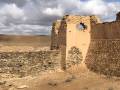
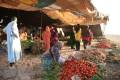
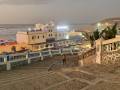


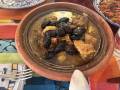
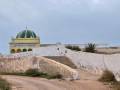

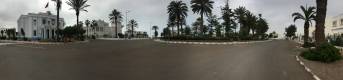


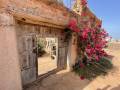




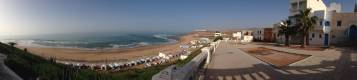


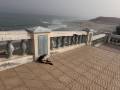


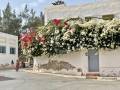

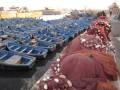
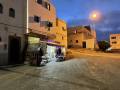
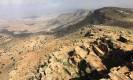
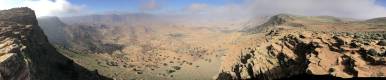

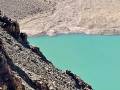
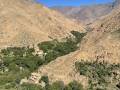



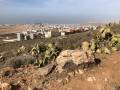
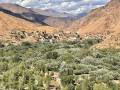
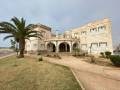



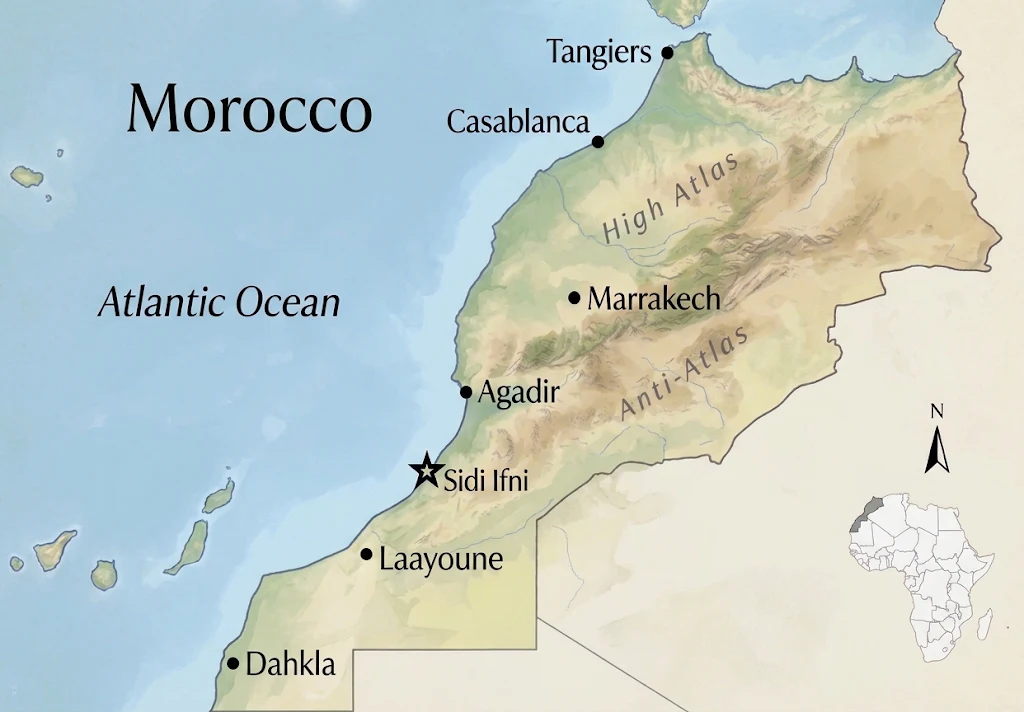
Sidi Ifni (Sidi means “Saint” in this context) is a southern coastal village in southern Morocco with a deep crossroads history, historically populated by Amazigh tribal groups in a region that came to be known as Aït Baâmran. Located on the Atlantic coast, this region has long been a geographic portal between the maritime region and the Anti-Atlas mountains that separate the coastal plains and the Sahara. The region has a well-deserved reputation even in modern Morocco as being independent, proud, and resolutely stubborn.
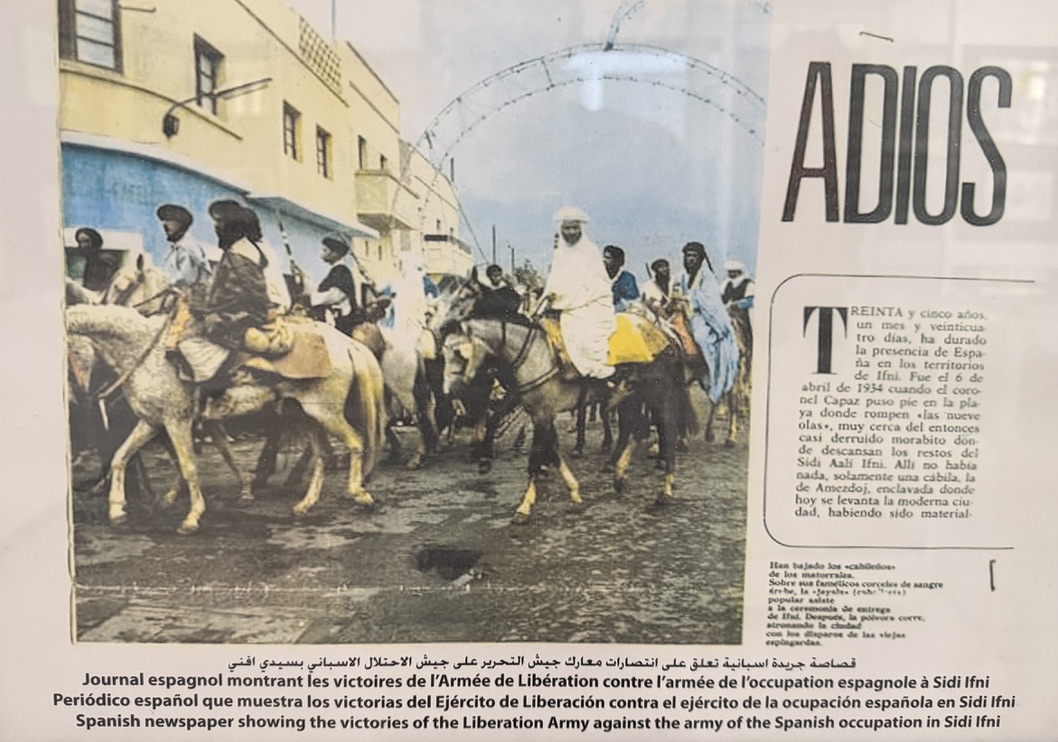
Ifni became the colonial capital of Spanish West Africa from 1946-1958, created by Generalissimo Francisco Franco. Sidi Ifni remained in Spain’s control long after Morocco and many other former European colonies across the African continent shed colonial dominance. Even after Morocco fought for and gained independence from both French and Spanish control in 1956, Sidi Ifni remained an “overseas province” of Spain until armed conflict and international pressure forced Spain to cede Sidi Ifni to Morocco in 1969.
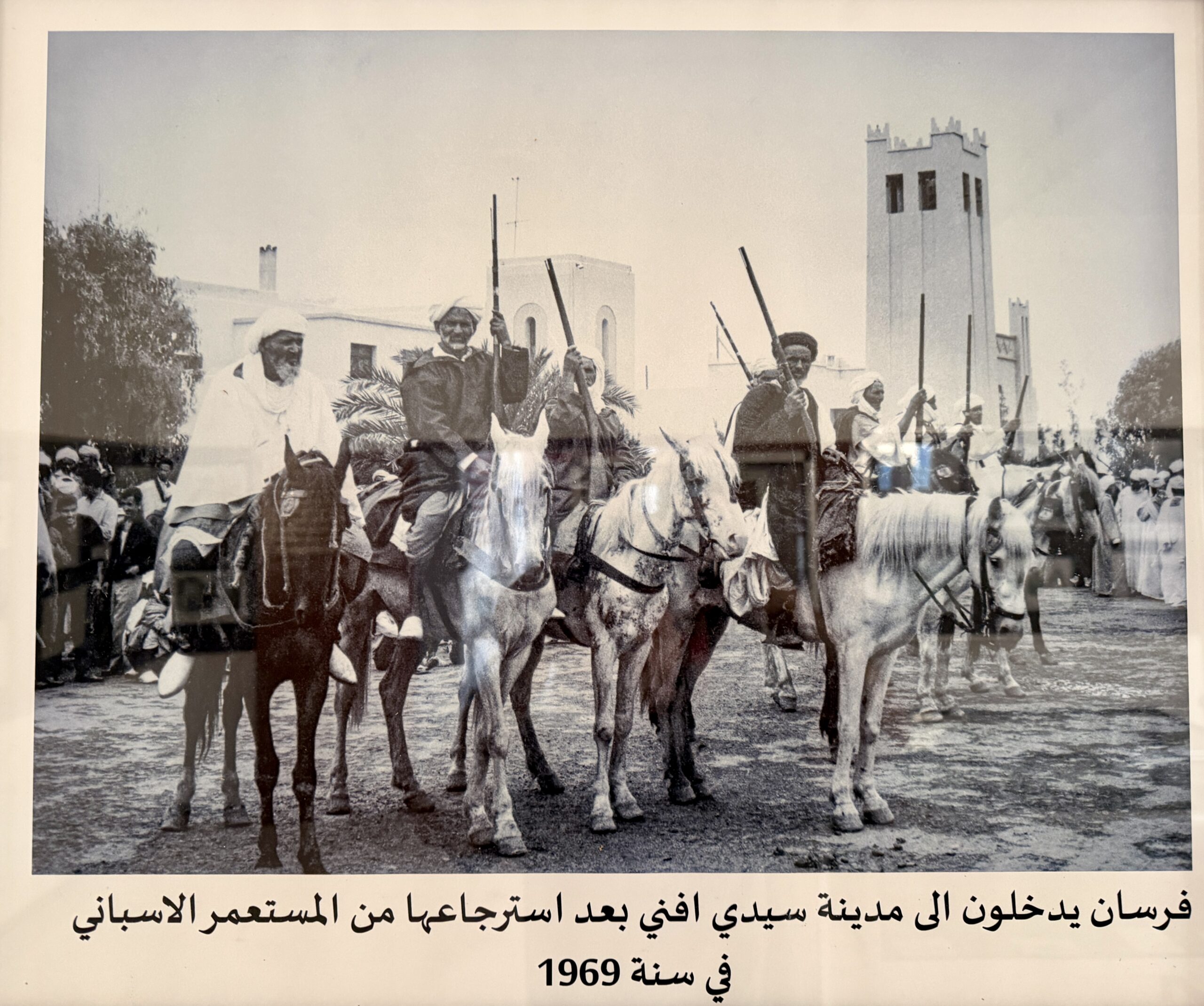
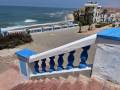
Sidi Ifni retains some of the architectural remnants of the Spanish years, with white-walled façades, Art Deco buildings, and the iconic coastal azure blue trim that is similar to many Mediterranean settlements. Ifni became the provincial capital of Sidi Ifni Province by decree of King Mohammed VI in 2009.
It remains an iconoclastic and in many ways isolated place, with residents who are as friendly as they are stubbornly resistant to change. I am grateful to the town and its inhabitants for welcoming me and sharing the beauty and warmth of this corner of the planet, which one person described to me as “on the way to nowhere else.”